Portugal Entry Requirements: Visas, Passports & Documents You Need
Updated guide for EU and non-EU citizens on documents required for entry to Portugal: Schengen rules, EES 2025 and ETIAS 2026.
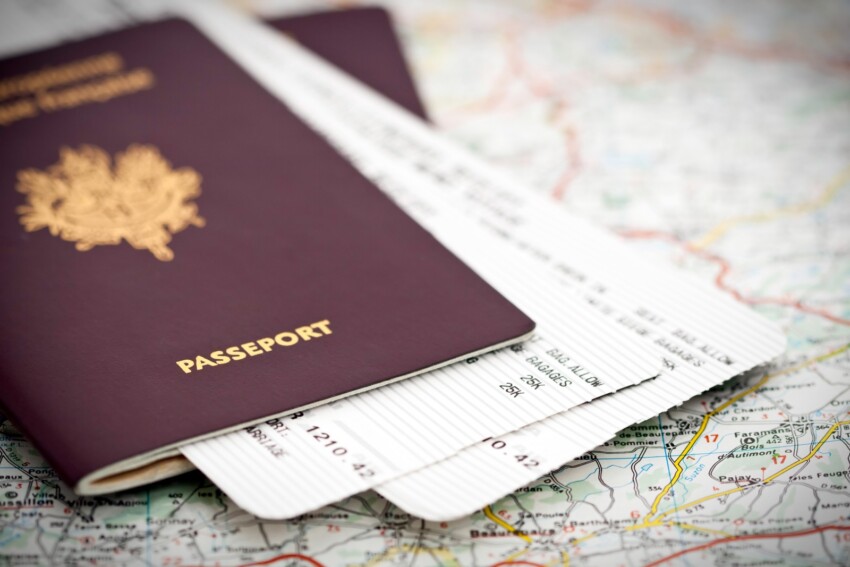
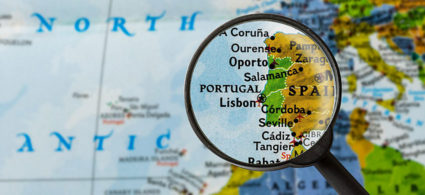
Planning a trip to Portugal means preparing to explore a country of remarkable diversity, where the Atlantic Ocean sits alongside centuries of history shaped by explorers, hand-painted ceramics and the melancholic beauty of fado. To make the most of this destination, it’s worth gathering some practical information in advance to ensure your stay is comfortable and hassle-free.
The first thing to bear in mind concerns the documents required to enter the country: EU citizens can cross the border with just a valid national identity card or passport, with no visa required. As Portugal is a member of the European Union and the Schengen area, travel is particularly straightforward for those arriving from elsewhere in Europe. There are no currency concerns either: Portugal also uses the euro, and electronic payments are widespread and accepted in virtually all settings.
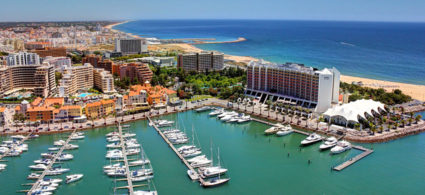
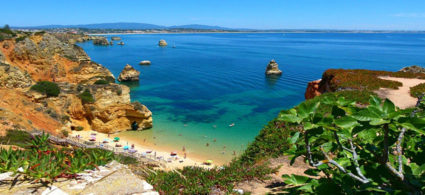
In terms of climate, the country offers very different conditions depending on latitude. The Algarve boasts over 300 days of sunshine annually, with warm, sunny summers ideal for beach time, whilst Porto and the northern regions experience cooler temperatures and more rainfall during winter months. The best time to visit Portugal remains spring and autumn — April, May, June, September and October — when the weather is pleasant, beaches less crowded and prices more affordable.
Getting around Portugal is straightforward: trains offer frequent connections between major cities, buses reach smaller towns and internal flights allow quick access to Madeira and the Azores. For those wishing to explore the Alentejo at their own pace, medieval villages inland or the Atlantic coastline, car hire is the most practical option, especially away from major urban centres.
It would be a shame to leave Portugal without sampling its cuisine, rich in authentic flavours and established traditions: salt cod prepared in countless ways, pastéis de nata, grilled sardines and caldo verde are just some dishes not to miss. These pair perfectly with a fresh, sparkling vinho verde from the north, or a glass of Port wine enjoyed in the historic lodges along the Douro riverbanks. Portuguese is the official language, but in Lisbon, Porto and popular holiday spots in the Algarve, English is widely understood and spoken without difficulty.
One of the most tangible advantages of travelling within an EU country is that the European Health Insurance Card is fully recognised in Portugal and guarantees access to public healthcare facilities on the same terms as residents. It’s still advisable to consider a travel insurance policy to protect yourself against unexpected events such as lost baggage or the need for repatriation. Portugal is a safe and welcoming destination with no particular behavioural restrictions: the only precaution, common to any trip, is to maintain a respectful attitude when visiting places of worship.
















 Hotel
Hotel  Budget accommodations
  Apartments
  Family Hotel
  Luxury Hotel