Albufeira: 2.5-Hour Benagil Caves & Dolphin Watching
12.205 reviews
Buy now
From 29,24€ per person

Albufeira is the most famous beach destination in the Algarve, the southern region of Portugal overlooking the Atlantic Ocean. With approximately 44,000 residents, the population soars dramatically during the summer months, when hundreds of thousands of tourists from across Europe choose this town as their holiday base. The reason is obvious: its golden sandy beaches, crystalline waters and distinctive limestone rock formations make it one of the most spectacular coastlines in the entire Iberian Peninsula.
The city develops along two distinct characters. The old quarter, the Antiga Vila, retains the charm of an ancient fishing village with whitewashed lanes, colourful azulejos tiles and the vibrant Rua Cândido dos Reis. The Strip, meanwhile, the broad avenue running north of the centre, represents the heart of nightlife, with bars, restaurants and venues open until dawn. This duality makes Albufeira capable of satisfying both those seeking seaside relaxation and those after a summer of entertainment and vibrant nightlife.
The municipal territory extends for approximately 140 km² and the mild climate, with over 300 days of sunshine annually and temperatures reaching around 30°C in summer, ensures a tourist season running from March to October.

The coastline at Albufeira is among the most varied in the Algarve: you’ll find everything from bustling, well-equipped urban beaches to secluded coves framed by golden cliffs, accessible on foot or by boat. The beaches of the Algarve around Albufeira offer very different landscapes and are well worth exploring during your stay.
The Praia dos Pescadores, literally the “fishermen’s beach”, is the quintessential symbol of Albufeira. Located in the heart of the Antiga Vila, it’s reached through a tunnel carved into the rock from the main square. Its sheltered position nestled between high ochre-coloured limestone cliffs gives it a protected, almost intimate atmosphere, made all the more picturesque by the presence of traditional coloured fishing boats that regularly moor here.
The beach is relatively small, around 200 metres long, with fine golden sand and generally calm waters. The seabed is shallow and slopes gently, making it suitable for children too. All around are fresh fish restaurants offering the classic sardinhas assadas, grilled sardines which represent an authentic summer ritual in Portugal. From the beach you have one of the most characteristic views of Albufeira’s white historic centre, with houses climbing up the hillside and the Igreja de São Sebastião in the background.
The Praia da Oura is the most crowded beach in Albufeira’s territory and sits approximately 2 km east of the historic centre, at the foot of the notorious Strip. Stretching over 600 metres with pale sand and intensely turquoise waters, it’s equipped with parasols, sun loungers and various kiosks offering drinks, snacks and all sorts of water activities, from waterskiing to kitesurfing. It’s the natural choice for those staying in the Strip area who want everything within reach, from beach to nightlife.
The beach is well connected to the historic centre by local bus services. In the evenings it’s pleasant to walk the pedestrianised promenade connecting the two areas, with wonderful views of the illuminated cliffs.
Just a few kilometres west of Albufeira, two less crowded beaches are worth a dedicated visit. The Praia de São Rafael is set amid spectacular limestone pinnacles and arches rising from the water, creating a postcard-perfect scene. The beach is relatively small, with around 70 metres of fine sand, but the concentration of rock formations makes it one of the most photographed stretches of coast in the Algarve. The water is crystal-clear and emerald green, with shallow depths near the shore.
Just ahead, the Praia da Galé stretches for approximately one and a half kilometres in a wider, more open arc of golden sand. It’s the ideal choice for those wanting space and freedom of movement, also appreciated by surfers on windy days for the quality of the waves. Both beaches are accessible by car with nearby parking, or by several local bus routes. It’s worth visiting in the early morning or late afternoon to avoid the summer crowds.
Around 10 km west of Albufeira, the Praia dos Salgados is one of the most tranquil and unspoilt beaches in the area. It stretches for almost 3 km in a protected natural environment, with dunes behind and the Lagoa dos Salgados, a wetland of significant ornithological importance hosting flamingos, herons and numerous migrating bird species. The absence of permanent beach facilities makes it particularly appealing to those seeking an authentic, uncrowded beach. The waves can be strong, making it a destination for surfers but requiring caution for less experienced swimmers.

Beyond the sea, Albufeira offers cultural, natural and entertainment attractions worthy of leisurely discovery. From the old quarter to boat tours of sea caves, through themed parks and craft markets, the town knows how to keep visitors occupied away from the beach.
The historic centre of Albufeira, known as Antiga Vila, is one of the best-preserved quarters in the Algarve. Its origins date to the Moorish occupation period, as evidenced by its name itself, derived from the Arabic “Al-Buhera” meaning “castle by the sea”. Following the earthquake and tsunami of 1755, which devastated much of the Algarve, the quarter was rebuilt in the Pombaline style typical of the period, with low white houses and windows adorned with coloured frames.
The beating heart of the historic centre is Largo Eng. Duarte Pacheco, the main square bustling with cafés and restaurants. From here branch off the most characteristic pedestrianised lanes, such as Rua 5 de Outubro and Rua Cândido dos Reis, dotted with craft shops and traditional establishments. Throughout the lanes you’ll find various panels of azulejos, the distinctive glazed Portuguese tiles telling the story of fishing and local traditions. Strolling here early in the morning, before crowds descend on the quarter, is to experience the town’s true soul.
Zoomarine is Albufeira’s marine-themed park and one of the Algarve’s most visited attractions, particularly for families with children. Located along the N395 approximately 4 km from the centre, the park houses dolphins, sea lions, parrots and numerous marine species within a setting that combines entertainment with environmental education. Over the years the park has adapted its programmes towards a format more respectful of animal welfare, with shows focusing on species biology rather than acrobatics.
Inside you’ll also find water slides, pools and shaded areas equipped for spending the entire day. Tickets are bought online for a small discount compared to the box office. Visit times vary between 4 and 7 hours. Zoomarine is accessible by car in just minutes from the centre, or by tourist buses departing from the Strip and historic centre.
Around 24 km north of Albufeira, the village of Alte is considered one of the Algarve’s most beautiful quarters and offers a completely different experience from the bustling coast. Its white houses with decoratively spiralled chimneys, stone fountains and azulejos panels adorning the small parish church create a picture of authenticity hard to find on the coast.
A short distance from the village centre lie the Alte springs, natural pools fed by spring water surrounded by Mediterranean scrubland. In summer, when coastal temperatures become stifling, many locals come here to swim in the cool waters of the pools. A visit to Alte allows you to understand how inland Algarve life was before mass tourism transformed the coast.
The Mercado dos Artesãos in the historic centre is one of the few craft markets in the Algarve that maintains an authentic selection of local products. You’ll find hand-painted ceramics, worked cork objects and typical gastronomic products such as medronho, an arbutus berry spirit, organic honey from the inland region and preserves made from exotic fruits grown in the area.
The market is particularly lively on summer evenings, when the historic centre’s lanes animate with vendors and visitors browsing the stalls. It’s the perfect opportunity to purchase quality souvenirs and sample some typical produce offered directly by producers. Bringing cash is advisable, as not all stalls accept electronic payments.
Around 25 km west of Albufeira, Benagil Cave is one of the most photographed natural spectacles in all of Portugal. It’s a marine cavern carved by erosion into the limestone cliffs, with a circular opening in the roof where sunlight filters through, illuminating the internal sandy beach with clear light. The natural dome reaches approximately 50 metres in height, and the interior holds a small beach accessible only from the sea.
The simplest way to reach it is to depart from the docks at Albufeira or Armação de Pêra aboard one of the numerous boat tours that trace the coast towards Carvoeiro. Tours generally last 2-3 hours and allow you to visit other caves and spectacular rock formations. Alternatively, the more adventurous can reach it by kayak or SUP board. The tip is to book an early morning trip, preferably before 9:00, when light filters through the top opening with the most scenic angle.

Nightlife in Albufeira is among the liveliest in Portugal and revolves around two main hubs. The historic centre offers intimate bars where you sip sangria and enjoy live music, with some venues offering acoustic Algarve fado on weekend evenings. The Strip caters instead to a younger, more international crowd, with DJ sets and venues open until dawn.
Venues around Largo Eng. Duarte Pacheco offer the chance to sit outside with a glass of vinho verde and watch the evening hustle and bustle. The busiest season runs from June to August, whilst in spring and autumn the pace drops considerably and many venues reduce hours or close entirely.
Those choosing to stay in the historic centre, the Antiga Vila, find themselves just steps from Praia dos Pescadores and the main pedestrianised squares. The offer includes small family-run hotels, guesthouses and apartments in whitewashed lanes, often with balconies overlooking rooftops or the sea. It’s the best choice for those wanting to immerse themselves in Albufeira’s most authentic atmosphere and prefer to move about on foot. The noise from venues does register during peak months, July and August, but the lanes remain relatively quiet during the day.
The Praia da Oura and Strip area concentrates most of the resorts, aparthotels and international hotel chains. The complexes are generally large, with pools, entertainment and half-board included. Proximity to the beach and nightlife makes this area the preferred choice for families with children and those after a summer of organised fun.
Around 5-8 km from the centre you’ll find quieter areas such as Sesmarias and Areias de São João, with apartments and villas for rent ideal for those seeking more space and privacy. From these areas you can reach the centre by car in just minutes or via local buses. For a broader overview of facilities in the region, the guide on where to stay in the Algarve offers useful pointers for comparing different destinations.
We offer a selection of hotels at Albufeira to suit all categories of travellers. The most booked by tourists are the sea-facing hotels, often right on the beach. If you want to play it safe, choose one of the following: they are among the most booked hotels in Albufeira, sorted by number of reviews.
If you prefer space, privacy and the ability to prepare your own meals to a hotel holiday, book a holiday home at Albufeira. We recommend a few below, but in this case we advise you to book early because houses and apartments for rent at Albufeira are in high demand.
Albufeira is located in the central part of the Algarve coast, approximately 40 km west of Faro and about 270 km from Lisbon. The A22, the motorway that runs across the Algarve from east to west, passes just a few kilometres north of the town and provides quick connections to the rest of the region. If you’re planning to use the A22, it’s worth checking in advance on the electronic toll system by consulting the guide on how to pay motorway tolls in Portugal.
The nearest airport is Faro (FAO), approximately 40 km to the east and the main airport serving the Algarve, with direct flights from numerous European cities. The driving time is around 35-40 minutes via the A22. It’s worth considering car hire in Portugal directly at Faro airport: having your own car in Albufeira is very convenient for reaching more distant beaches and exploring the countryside without relying on public transport.
Lisbon airport (LIS) is approximately 270 km from Albufeira and is reachable by car in around 2 hours and 30 minutes via the A2 motorway. This is a good option especially if you’re planning to spend a few days in the capital before heading down to the Algarve, or if you find cheaper flights into Lisbon. From Lisbon (Oriente station), there is also a train connection to Tunes or Faro, with a change and onward journey to Albufeira taking approximately 3 hours and 30-4 hours total depending on connections.
The nearest railway station to Albufeira is Ferreiras, about 6 km from the town centre, accessible by taxi or local bus. The Algarve railway line (Linha do Sul) connects Faro with Lagos with several daily services and takes approximately 25-30 minutes from Faro. Trains aren’t the most direct way to reach Albufeira town centre, but they’re an excellent option for getting around along the coast during your stay, for instance heading towards Lagos or Tavira.
What's the weather at Albufeira? Below are the temperatures and the weather forecast at Albufeira for the next few days.
Albufeira is located in the central part of the Algarve coast, overlooking the Atlantic Ocean. It sits approximately 40 km from Faro, the region's capital, 40 km west of Lagos and 270 km south of Lisbon. To the east lie Vilamoura (10 km) and Quarteira (12 km), whilst inland to the north, the landscape opens into the rolling hills of rural Algarve, home to the villages of Alte and Silves.
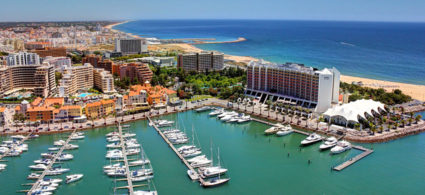


 Hotel
Hotel 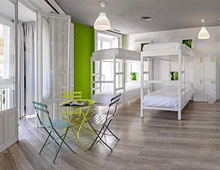 Budget accommodations
  Apartments
  Family Hotel
  Luxury Hotel